



How Often Should You Repaint a Business in Ormond Beach?
Most business owners think paint is just about aesthetics. Slap on a fresh coat, call it good. But the reality is more complicated — especially in Ormond Beach, where salt air, humidity, and relentless sun conspire to strip your building down faster than you'd expect. Paint isn't decoration. It's protection. And if you're not staying ahead of the damage, you're paying for it in other ways.
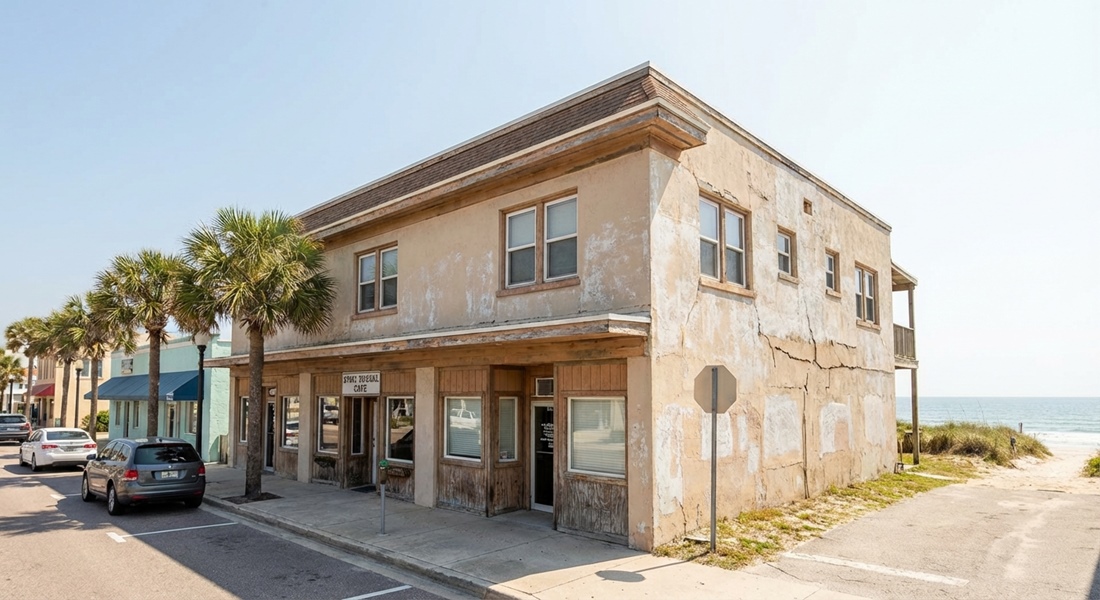
So here's what matters. If you're running a storefront, an office, or any commercial space along the coast, your paint job has an expiration date. The question isn't whether you'll repaint — it's when, and whether you'll do it before the damage becomes expensive. Every surface tells a story. Every crack is a warning. And every decision about timing should be grounded in what the building is actually facing — not just what the calendar says.
The Coast Doesn't Play Fair
Ormond Beach isn't kind to exterior finishes. The salt in the air doesn't just sit there — it works its way into every pore of your paint, breaking down the bond between coating and substrate. Add in the UV exposure from year-round sun, and you've got a recipe for accelerated wear. Most inland businesses can stretch a paint job to seven or eight years. Here? You're looking at three to five if you want to stay ahead of peeling and oxidation.
Humidity makes it worse. Moisture gets trapped under failing paint, and once that happens, you're not just dealing with cosmetics anymore. You're dealing with rot, mold, and structural issues that cost exponentially more to fix. The building doesn't care if you're busy. It deteriorates on its own schedule.
What Your Surface Is Made Of Changes Everything
Not all exteriors age the same way. Wood siding takes the hardest hit — it swells, contracts, and absorbs moisture like a sponge. If your building has wood trim or siding, expect to repaint every three to five years, maybe sooner if it's facing the ocean. Stucco holds up better, but it's not invincible. Cracks let water in, and once that starts, the paint is the least of your problems.
Metal surfaces rust. Concrete gets chalky. Brick seems bulletproof until the mortar starts crumbling and the paint starts flaking off in sheets. Every material has a breaking point, and in this climate, that point comes faster than most contractors will admit upfront.
When the Paint Tells You It's Done
You don't need a calendar to know when it's time. The building will show you. Here's what we watch for:
- Fading that makes your brand colors look washed out and tired
- Peeling or blistering, especially around edges and seams
- Chalking — that powdery residue that rubs off when you touch it
- Visible cracks that let moisture seep behind the surface
- Mold or mildew stains that won't wash off
If you're seeing two or more of these, you're past due. Waiting another year won't save you money. It'll just mean more prep work and a higher bill when you finally pull the trigger.
Interior Spaces Wear Differently
Inside, the timeline shifts. High-traffic areas — lobbies, hallways, restrooms — take a beating. Scuffs, fingerprints, and general grime build up faster than you notice. Most businesses need to refresh these spaces every two to three years just to maintain a professional appearance. Back offices and storage areas can stretch to five or six, but only if they're not customer-facing.
We've seen businesses try to spot-clean or touch up instead of repainting. It never looks right. Patched areas stand out, and the mismatched sheen gives the whole space a neglected vibe. If you're going to do it, do it right. A full repaint costs more upfront, but it lasts longer and looks infinitely better than a patchwork fix.
Quality of the Last Job Matters More Than You Think
Cheap paint fails fast. So does sloppy prep work. If the last contractor skipped priming, didn't clean the surface properly, or used bargain-bin materials, you're going to repaint sooner — sometimes within two years. We see it constantly. Business owners try to save a few hundred dollars and end up spending twice as much when the job fails early.
Professional-grade coatings with proper surface prep can double the lifespan of your paint job. That means fewer disruptions, lower long-term costs, and a building that actually looks maintained instead of patched together. The upfront investment pays for itself in durability.
What the Elements Do to Your Timeline
Buildings facing south or west get hammered by direct sun. UV rays break down paint faster than anything else, and there's no avoiding it in Florida. If your storefront faces the afternoon sun, plan on repainting every three to four years. Shaded areas can stretch to six or seven, but only if the paint quality is there to begin with.
Proximity to the ocean accelerates everything. Salt spray is corrosive, and it doesn't take a hurricane to cause damage. Even a mile inland, you're dealing with elevated salt levels in the air. The closer you are to the water, the shorter your paint's lifespan. Factor that into your maintenance budget, or you'll be caught off guard when the exterior starts failing ahead of schedule.
The Real Cost of Waiting Too Long
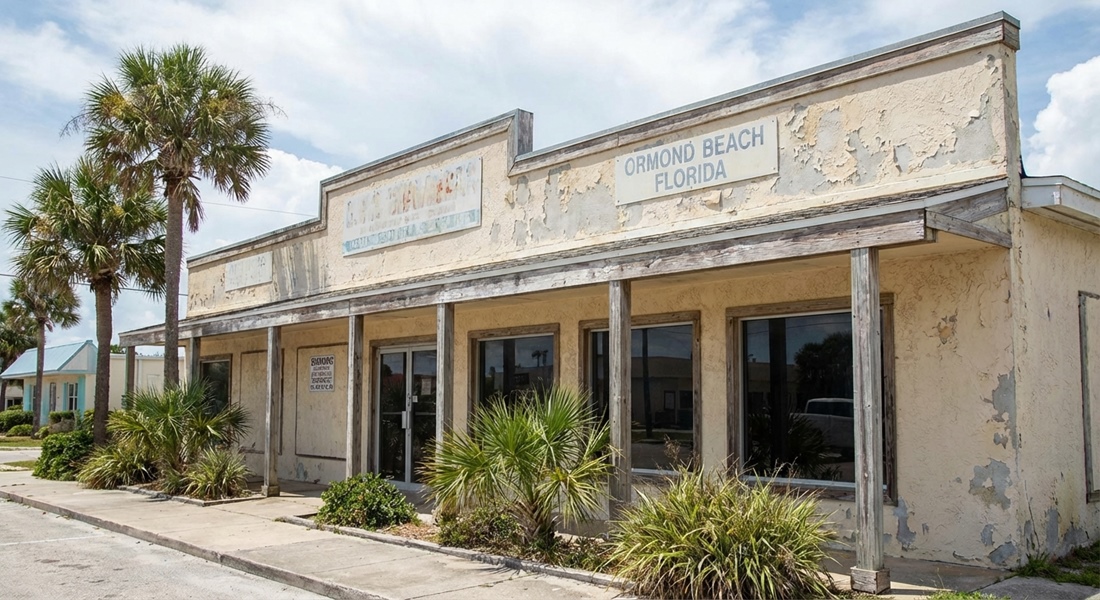
Delaying a repaint doesn't just hurt your curb appeal. It opens the door to bigger problems. Here's what happens when you push it:
- Water infiltration leads to wood rot and structural damage
- Mold growth spreads behind walls and into HVAC systems
- Rust eats through metal surfaces and requires replacement, not just repainting
- Cracked stucco allows moisture into the building envelope
- Faded, peeling exteriors signal neglect to customers and tenants
We've walked properties where a $5,000 paint job turned into a $30,000 repair because the owner waited two years too long. The building doesn't pause deterioration because your budget is tight. It just gets worse.
Why Regular Maintenance Beats Emergency Fixes
Repainting on a schedule — every three to five years for exteriors, every two to four for high-traffic interiors — keeps you ahead of the damage curve. It's predictable, budgetable, and far less disruptive than waiting for a crisis. Emergency repaints cost more because contractors know you're desperate. Scheduled work gets better pricing and better results.
Regular maintenance also protects your property value. A well-maintained building attracts better tenants, commands higher rents, and sells faster when the time comes. Neglected properties sit on the market and require price cuts. The paint job is one of the first things buyers and tenants notice, and it sets the tone for everything else.
Choosing the Right Contractor Makes or Breaks the Job
Not all painters understand coastal conditions. We've seen contractors from inland areas use the wrong primers, skip moisture barriers, and apply coatings that fail within a year. You need someone who knows how salt air, humidity, and UV exposure interact with different surfaces. That knowledge isn't optional — it's the difference between a paint job that lasts and one that peels off in sheets.
Ask for references. Check their work on other coastal properties. Make sure they're using high-quality, weather-resistant coatings designed for Florida's climate. And get everything in writing — prep work, materials, timeline, and warranty. A good contractor won't balk at transparency. A bad one will dodge the details.
The Bottom Line on Timing
There's no universal answer, but the range is clear. Exteriors in Ormond Beach typically need repainting every three to five years. Interiors vary — high-traffic areas every two to three, quieter spaces every five to six. Your specific timeline depends on materials, exposure, and the quality of the last job. But waiting until the paint is visibly failing? That's always the wrong move.
We help business owners plan maintenance that protects their investment without breaking the budget. The goal isn't just a fresh coat of paint — it's a building that holds up, looks sharp, and doesn't surprise you with expensive repairs down the line. Professional commercial painting requires understanding coastal conditions and using proper materials. If you're looking for reliable interior exterior painting services, proper surface preparation is essential. Before any paint application, pressure washing removes contaminants that compromise adhesion. For buildings with moisture concerns, waterproofing prevents costly damage behind the paint. Minor surface issues can be addressed through handyman repairs before repainting begins. If your property is showing signs of wear, don't wait for it to get worse. Address it now, and you'll save time, money, and headaches later.
Let’s Protect Your Business Together
Your building deserves more than a quick fix—it needs a paint job that stands up to Ormond Beach’s toughest conditions. We know what it takes to keep your property looking sharp and protected year after year. If you’re ready to get ahead of the next round of repairs, let’s talk about a plan that works for your business. Call us at 386-267-6933 or schedule an appointment and let’s make sure your business always puts its best face forward.
‹ Back
Recent Posts
-
-
-
How Often Should You Repaint a Business in Ormond Beach?
March 17, 2026
-
Is It Time to Repaint Your Home in Ormond Beach?
March 3, 2026
-
How Long Does Exterior Paint Last in Ormond Beach Weather?
January 21, 2026