



Is It Time to Repaint Your Home in Ormond Beach?
Most homeowners think paint is just about color. Pick a shade, slap it on, move along. But in Ormond Beach, your exterior finish is doing more than looking pretty—it's fighting a daily battle against salt, sun, and humidity. And if you're not paying attention, that battle gets lost fast. Paint isn't decoration here. It's defense. And when it starts to fail, your home pays the price.
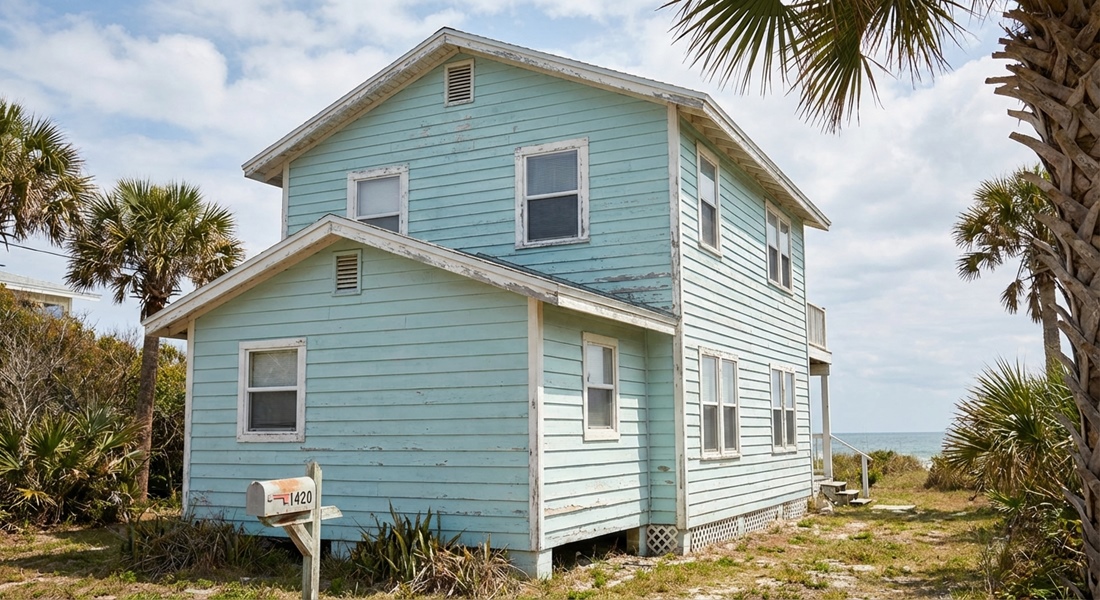
So here's the reality. If you're living near the coast, your paint job has an expiration date. The question isn't whether you'll need to repaint—it's when. And the longer you wait, the more damage piles up underneath. Every crack is an entry point. Every fade is a warning sign. And every month you ignore it makes the fix more expensive.
The Coast Doesn't Play Fair
Ormond Beach gives you ocean views and year-round warmth. It also gives your paint a beating. UV rays break down pigments and binders faster than you'd see inland. Salt in the air corrodes surfaces and accelerates peeling. Humidity invites mold and mildew to set up camp on any shaded wall. Storms bring wind-driven rain that finds every weak spot in your finish.
This isn't about vanity. It's about keeping water out of your walls and preventing wood rot before it starts. A compromised paint layer means moisture gets in, and once that happens, you're not just repainting—you're replacing siding, fixing framing, and dealing with problems that could've been avoided with waterproofing and proper maintenance.
What Failing Paint Actually Looks Like
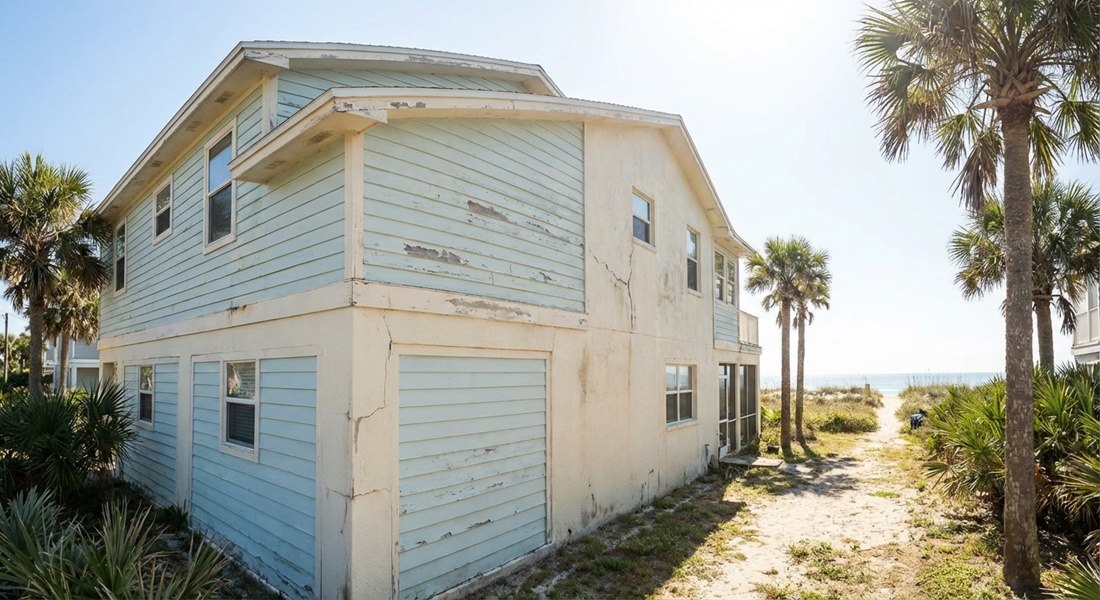
You don't need a contractor to tell you when paint is done. The signs are obvious if you know what to look for. Fading means the UV protection is gone. Peeling or cracking means moisture is getting through. Chalking—that powdery residue when you touch the surface—means the binder has broken down. Blistering means water is trapped under the paint, pushing it off from the inside.
Here's what we see most often:
- Sun-facing walls that look washed out or discolored
- Paint lifting or curling at the edges, especially near trim
- Dark streaks or patches where mildew has taken hold
- Bubbles or blisters that pop when pressed
- Chalky film that comes off on your hand
How Long Paint Actually Lasts Here
In a mild climate with low humidity, a quality paint job might last a decade. In Ormond Beach? You're looking at five to seven years, maybe less if the prep work was sloppy or the paint was cheap. Wood siding needs attention sooner. Stucco can stretch a bit longer, but not by much. And if your home faces the ocean or gets full sun most of the day, cut those timelines down.
The key is catching it early. Repainting on schedule is cheaper than waiting until the substrate is damaged. Once you're replacing boards or scraping off layers of failed coatings, the cost multiplies fast.
Why Fresh Paint Pays Off
Repainting isn't an expense—it's an investment. A proper exterior coating protects your siding from moisture intrusion, prevents mold growth, and keeps your home structurally sound. It also makes your property more attractive to buyers if you ever decide to sell. Curb appeal isn't just a buzzword. It's the difference between a quick sale and a listing that sits.
Here's what a quality repaint delivers:
- Barrier protection against salt, moisture, and UV damage
- Prevention of wood rot and structural deterioration
- Improved energy efficiency by sealing gaps and cracks
- Higher resale value and faster market performance
- Opportunity to update your home's look without major renovations
Picking Paint That Can Handle the Heat
Not all paints are built for coastal life. You need formulations with UV inhibitors, mildew resistance, and flexibility to handle temperature swings. Acrylic latex is the standard for most exteriors here—it breathes, resists cracking, and holds up better than oil-based options in humid conditions. Lighter colors reflect heat and fade slower than dark tones, which is why you see so many whites, tans, and pastels in beach communities.
Color choice matters beyond aesthetics. Dark shades absorb more heat, which can cause paint to break down faster and drive up cooling costs. If you're set on a bold color, make sure it's a high-quality product designed for full sun exposure. And always test samples on your actual siding before committing—colors look different in coastal light.
DIY or Hire It Out
Painting your own home sounds like a money saver until you factor in the prep work, equipment, and time. Surface preparation is where most DIY jobs fail. If you don't scrape, sand, prime, and caulk properly, the new paint won't stick—and you'll be doing it again in two years. Professionals know how to handle substrate issues, choose the right primers, and apply coatings evenly in humid conditions.
In a climate this tough, cutting corners costs more in the long run. A pro brings experience with coastal challenges, access to contractor-grade materials, and the tools to do it right the first time. If your home has multiple stories, intricate trim, or existing damage, hiring out isn't optional—it's the smart move. Pressure washing before painting is one critical step that professionals handle correctly to ensure proper adhesion.
What Happens When You Wait Too Long
Delaying a repaint doesn't just mean uglier walls. It means water damage, mold growth, and structural repairs that dwarf the cost of a paint job. Once moisture gets behind the paint, it rots wood, rusts metal, and creates conditions for mold that can spread into your interior walls. At that point, you're not just repainting—you're rebuilding.
Here's what procrastination leads to:
- Wood siding that needs replacement instead of just repainting
- Mold remediation costs that run into thousands
- Trim and fascia boards rotted beyond repair
- Interior water damage from leaks that started outside
- Decreased home value and harder resale conditions
Timing Your Repaint Right
Ormond Beach weather is forgiving most of the year, but timing still matters. Avoid painting during the hottest months when surfaces get too hot for proper adhesion. Skip the rainy season when humidity and sudden storms can ruin a fresh coat. Late fall through early spring is ideal—mild temperatures, lower humidity, and fewer afternoon thunderstorms.
If you're planning to sell, repaint at least a few months before listing. Fresh paint needs time to cure fully, and you want it looking its best when buyers start showing up. If you're staying put, schedule the work during your slow season so you're not dealing with contractors during holidays or vacations. Professional painting services can help you plan the optimal timeline for your project.
Protecting What You've Built
Your home is more than an address. It's where you've invested time, money, and effort. Letting the exterior deteriorate because you didn't want to deal with repainting is like ignoring an oil change until your engine seizes. The fix is always more expensive than the maintenance.
We've seen too many homeowners wait until the damage is done. By then, they're not just repainting—they're repairing, replacing, and regretting. The smart move is catching it early, using quality materials, and hiring people who know what they're doing. Whether you need handyman repairs for damaged trim or a complete roof painting to protect your entire home, addressing these issues promptly will save you money. Your home will look better, last longer, and hold its value. And you won't be scrambling to fix problems that could've been prevented with a few gallons of paint and a weekend of work.
Ready to Give Your Home a Fresh Start?
We know how much your home means to you, and we're here to help you protect it from Ormond Beach's toughest elements. Let's work together to keep your house looking sharp and standing strong for years to come. If you're noticing any of the warning signs or just want peace of mind, call us at 386-267-6936 or schedule an appointment—we'll make sure your next paint job is done right, from prep to finish.
‹ Back
Recent Posts
-
-
-
How Often Should You Repaint a Business in Ormond Beach?
March 17, 2026
-
Is It Time to Repaint Your Home in Ormond Beach?
March 3, 2026
-
How Long Does Exterior Paint Last in Ormond Beach Weather?
January 21, 2026